


When it comes to using dermal fillers on mature skin, there are indeed several special considerations that both patients and practitioners need to keep in mind. As a dermal fillers supplier, I've seen firsthand how these products can make a significant difference in the appearance of mature skin, but it's crucial to approach the process with care and knowledge.
First off, let's talk about the changes that occur in mature skin. As we age, our skin loses elasticity and volume. The production of collagen and elastin, two proteins that keep our skin firm and plump, slows down. This leads to the formation of wrinkles, fine lines, and sagging. Additionally, the fat pads in our face start to atrophy, which can change the overall contour of the face. All these factors mean that the goals and techniques for using dermal fillers on mature skin are different compared to younger skin.
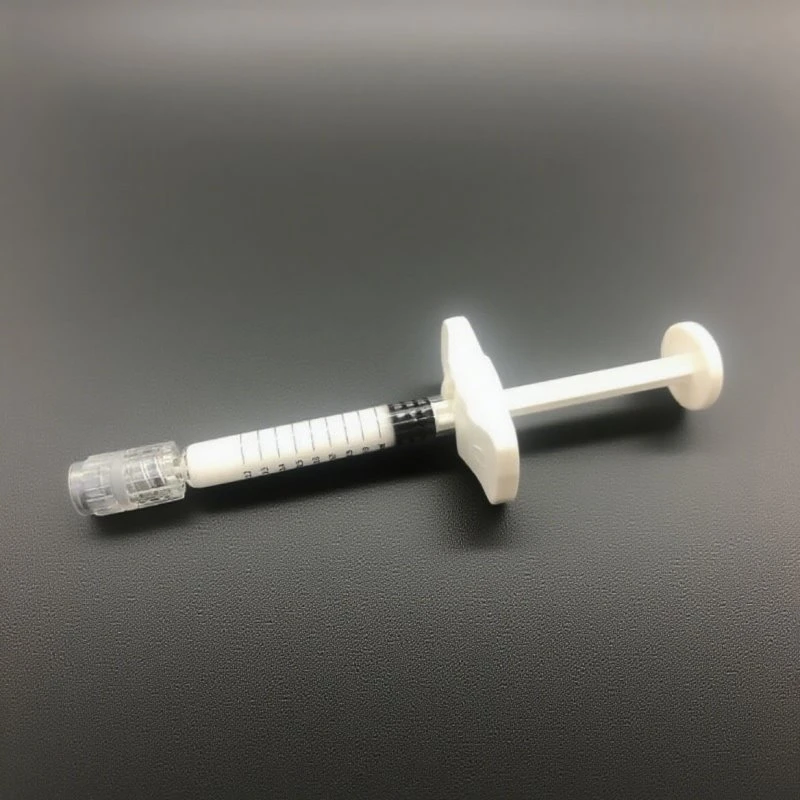
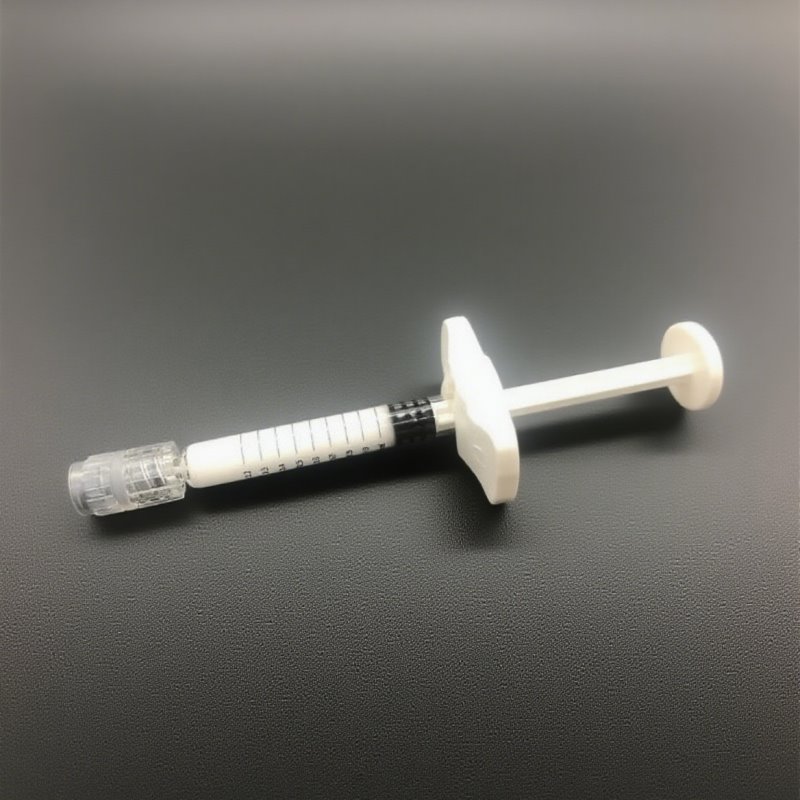
One of the key considerations is the type of filler to use. There are various types of dermal fillers available on the market, each with its own properties and benefits. For mature skin, we often recommend products that can add volume and stimulate collagen production. Take the Polycaprolactone Dermal Filler for example. This type of filler is great for mature skin because it not only provides immediate volume but also encourages the body to produce its own collagen over time. Collagen is like the scaffolding of our skin, and by boosting its production, we can help improve the skin's texture and firmness.
Another option is the Pcl Dermal Filler. Pcl fillers are known for their long - lasting effects. They can be used to correct deeper wrinkles and restore lost volume in areas like the cheeks and temples. In mature skin, these areas often experience significant volume loss, and using a Pcl filler can help bring back a more youthful appearance.
The injection technique is also super important. When dealing with mature skin, a more conservative approach is usually better. Over - filling can look unnatural, especially in skin that has lost its elasticity. Practitioners need to take into account the patient's facial structure and the way the skin has aged. For instance, instead of just filling in wrinkles, they might focus on restoring the natural contours of the face. This could involve injecting filler into the mid - face to lift the cheeks, which can also have a positive effect on the appearance of under - eye hollows and nasolabial folds.
Moreover, the hydration of mature skin is a major factor. As we get older, our skin becomes drier, and this can affect the way dermal fillers work. Using fillers that have hydrating properties can be very beneficial. Some fillers contain hyaluronic acid, which is a natural substance in our bodies that helps keep the skin hydrated. When injected, hyaluronic acid - based fillers can plump up the skin and also improve its moisture content, giving it a more dewy and youthful look.
In addition to the physical aspects, the patient's overall health and lifestyle should be considered. Mature patients may have other health conditions that could affect the outcome of dermal filler treatments. For example, if a patient has a history of skin infections or is taking certain medications, it could increase the risk of complications. Lifestyle factors like smoking and excessive sun exposure can also impact the results. Smokers tend to have more damage to their skin's collagen and elastin, and this can make it harder for the filler to achieve the desired effect. So, it's important for patients to be honest with their practitioners about their health and lifestyle habits.
Patient expectations are another area that needs attention. Mature patients may have different goals compared to younger ones. They are often looking to restore a more natural and youthful appearance rather than a dramatic change. It's crucial for practitioners to have in - depth consultations with patients to understand their expectations and explain what is realistically achievable with dermal fillers. This can help avoid disappointment and ensure that the patient is satisfied with the results.
When it comes to after - care, mature skin may require a bit more attention. Patients should be advised to avoid strenuous exercise, excessive sun exposure, and alcohol consumption in the days following the treatment. They may also need to use special skincare products to maintain the results. For example, using a good moisturizer and sunscreen can help keep the skin hydrated and protected, which is especially important for mature skin that has been treated with dermal fillers.
As a dermal fillers supplier, we are committed to providing high - quality products and supporting practitioners in making the best choices for their mature patients. We understand that each patient is unique, and the treatment should be tailored to their specific needs. If you're a practitioner looking for reliable dermal fillers for mature skin or a patient interested in learning more about our products, we'd love to have a chat. We can provide you with detailed information about our Polycaprolactone Dermal Filler and Pcl Dermal Filler and how they can benefit mature skin. Contact us to start a discussion about your procurement needs, and let's work together to help your patients achieve the best possible results.
References
- Smith, J. (2020). Dermal Fillers in Aging Skin. Journal of Aesthetic Dermatology.
- Johnson, A. (2019). The Role of Collagen - Stimulating Fillers in Mature Skin. Cosmetic Surgery Today.
- Brown, C. (2021). Hydration and Dermal Fillers in Older Patients. Skin Health Review.
