


Dermal fillers have gained significant popularity in the field of aesthetic medicine over the past few decades. While they are commonly associated with adding volume and reducing the appearance of wrinkles, there is growing interest in their potential to improve skin texture. As a dermal fillers supplier, I have witnessed firsthand the evolving applications of these products and the scientific research that supports their use beyond traditional aesthetic enhancements. In this blog post, I will explore the question of whether dermal fillers can be used to improve skin texture, examining the mechanisms, types of fillers, and clinical evidence involved.
Mechanisms of Dermal Fillers in Improving Skin Texture
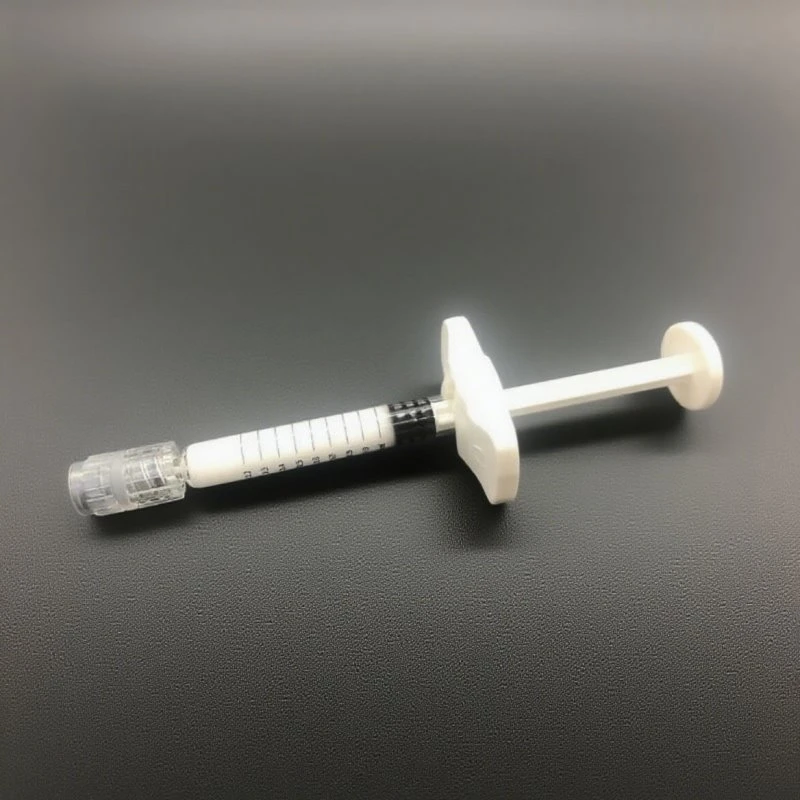
To understand how dermal fillers can potentially improve skin texture, it is essential to first grasp the basic mechanisms of these products. Dermal fillers are substances that are injected into the skin to add volume, smooth out wrinkles, and enhance facial contours. They work by filling in the spaces between skin cells, providing support and structure to the skin. In addition to their volumizing effects, some dermal fillers can also stimulate the production of collagen and elastin, two proteins that are essential for maintaining the skin's elasticity and firmness.
Collagen is the most abundant protein in the human body and is a key component of the skin's extracellular matrix. It provides structural support to the skin, helping to maintain its shape and prevent sagging. Elastin, on the other hand, is responsible for the skin's ability to stretch and recoil. As we age, the production of collagen and elastin decreases, leading to the formation of wrinkles, fine lines, and a loss of skin elasticity. Dermal fillers can help to counteract these effects by stimulating the production of new collagen and elastin fibers, improving the overall texture and quality of the skin.
Types of Dermal Fillers and Their Effects on Skin Texture
There are several types of dermal fillers available on the market, each with its own unique properties and mechanisms of action. The most common types of dermal fillers include hyaluronic acid (HA) fillers, calcium hydroxylapatite (CaHA) fillers, poly - L - lactic acid (PLLA) fillers, and Polycaprolactone Dermal Filler or Pcl Dermal Filler.
- Hyaluronic Acid (HA) Fillers: HA is a naturally occurring substance in the body that helps to keep the skin hydrated and plump. HA fillers are the most widely used type of dermal filler due to their safety, effectiveness, and versatility. They can be used to add volume, smooth out wrinkles, and improve skin texture. HA fillers work by attracting and retaining water in the skin, increasing its moisture content and giving it a smoother, more supple appearance. In addition, HA can also stimulate the production of collagen and elastin, further improving the skin's texture and elasticity.
- Calcium Hydroxylapatite (CaHA) Fillers: CaHA is a mineral - like substance that is similar to the calcium found in our bones. CaHA fillers are typically used for deeper wrinkles and volume loss. They work by providing immediate volume and also by stimulating the production of collagen over time. The microspheres in CaHA fillers act as a scaffold for the growth of new collagen fibers, which can help to improve the skin's texture and firmness.
- Poly - L - lactic Acid (PLLA) Fillers: PLLA is a biodegradable synthetic polymer that is gradually absorbed by the body. PLLA fillers work by stimulating the production of collagen in the skin. Unlike HA and CaHA fillers, which provide immediate results, PLLA fillers require multiple treatment sessions over a period of several months to achieve the desired effect. However, the results of PLLA treatment can last longer, and the improvement in skin texture can be significant as the new collagen growth leads to a more youthful and smooth appearance.
- Polycaprolactone (PCL) Fillers: Polycaprolactone Dermal Filler is a relatively new type of dermal filler. PCL is a biodegradable polymer that has been shown to stimulate collagen production and improve skin texture. It provides long - lasting results and can be used to treat a variety of skin concerns, including fine lines, wrinkles, and uneven skin texture.
Clinical Evidence for Dermal Fillers in Improving Skin Texture
Numerous clinical studies have investigated the use of dermal fillers for improving skin texture. A study published in the Journal of Cosmetic Dermatology evaluated the effects of HA fillers on skin texture in a group of patients with mild to moderate facial wrinkles. The results showed that after treatment with HA fillers, there was a significant improvement in skin smoothness, firmness, and elasticity. The patients also reported a reduction in the appearance of fine lines and an overall improvement in their skin's texture.
Another study on PLLA fillers found that patients who received PLLA treatment experienced a gradual improvement in skin texture over a period of several months. The new collagen growth stimulated by PLLA led to a reduction in the depth of wrinkles and a more even skin surface. The long - term follow - up of these patients showed that the improvement in skin texture was maintained for up to two years after the last treatment session.
In the case of Pcl Dermal Filler, early clinical trials have demonstrated its potential to improve skin texture. The slow - release mechanism of PCL allows for a sustained stimulation of collagen production, resulting in a natural - looking improvement in skin quality.
Considerations and Limitations
While dermal fillers can be effective in improving skin texture, there are some considerations and limitations to keep in mind. First, the results of dermal filler treatment can vary depending on the individual patient, the type of filler used, and the skill of the injector. It is important to choose a qualified and experienced injector who can assess the patient's skin condition and recommend the most appropriate type of filler.
Second, dermal filler treatment is not a permanent solution. The effects of most fillers will gradually wear off over time, and repeat treatments may be required to maintain the results. Additionally, there are some potential side effects associated with dermal filler treatment, such as swelling, bruising, redness, and in rare cases, infection or allergic reactions.
Conclusion
In conclusion, dermal fillers can indeed be used to improve skin texture. Through their ability to add volume, stimulate collagen production, and hydrate the skin, various types of dermal fillers can address a range of skin concerns, from fine lines to uneven skin surfaces. As a dermal fillers supplier, I am excited about the ongoing research and development in this field, which continues to expand the applications of these products.
If you are a medical professional interested in incorporating dermal fillers into your practice to improve your patients' skin texture, or if you are a distributor looking for high - quality dermal fillers, I encourage you to contact us for a procurement discussion. We offer a wide range of dermal fillers, including Polycaprolactone Dermal Filler and Pcl Dermal Filler, and our team of experts can provide you with the support and information you need to make the right choices for your patients and business.
References
- Journal of Cosmetic Dermatology, various studies on dermal fillers and skin texture improvement.
- Scientific literature on the mechanisms of action of different types of dermal fillers.
