


When it comes to the question of whether one can get dermal fillers during pregnancy or breastfeeding, it's a topic that demands a thorough and evidence - based discussion. As a supplier of dermal fillers, we understand the concerns of our customers and the importance of providing accurate information.
The Physiological Changes During Pregnancy and Breastfeeding
Pregnancy and breastfeeding are two extraordinary phases in a woman's life, marked by significant physiological changes. Hormonal fluctuations are perhaps the most well - known aspect. During pregnancy, levels of estrogen, progesterone, and other hormones increase substantially. These hormonal changes can affect the skin in various ways. For example, many pregnant women experience an increase in blood flow to the skin, which can result in a more flushed appearance. Additionally, hormonal shifts can lead to changes in skin elasticity and moisture levels.
The immune system also undergoes alterations during pregnancy. The body's immune response is modulated to protect the developing fetus, which is essentially a semi - foreign entity. This immune modulation can have implications for how the body reacts to foreign substances, such as dermal fillers.
Breastfeeding, on the other hand, continues to keep the hormonal balance in a state of flux. Prolactin, the hormone responsible for milk production, remains at high levels, and this can further influence the skin's condition.
Potential Risks of Dermal Fillers During Pregnancy
The safety of dermal fillers during pregnancy has not been well - studied. Dermal fillers typically contain substances such as hyaluronic acid, calcium hydroxylapatite, or Polycaprolactone Dermal Filler. While these substances are generally considered safe for non - pregnant individuals, there are several potential risks during pregnancy.
One of the main concerns is the potential for the filler material to cross the placenta and reach the fetus. Although there is currently no conclusive evidence that this occurs, the lack of data means that it cannot be ruled out. Some dermal fillers may also cause an immune reaction in the mother's body. Given the already altered immune system during pregnancy, this immune response could potentially have unforeseen consequences for both the mother and the fetus.
Another risk is related to the injection process itself. Pregnancy can make a woman more prone to bruising and bleeding due to changes in blood vessels. The injection of dermal fillers involves puncturing the skin, which could lead to more significant bruising or bleeding than usual.
Risks of Dermal Fillers During Breastfeeding
Similar to pregnancy, the safety of dermal fillers during breastfeeding has not been extensively researched. There is a concern that the filler material or any associated chemicals could be excreted into breast milk. If a baby were to ingest these substances, the long - term effects are unknown.
Moreover, the immune response to the dermal filler could potentially affect the quality and quantity of breast milk. Since the mother's body is still in a state of hormonal and physiological adjustment during breastfeeding, introducing a foreign substance like a dermal filler may disrupt the normal processes involved in lactation.
Expert Recommendations
Most medical experts recommend avoiding dermal fillers during pregnancy and breastfeeding. The American Society of Plastic Surgeons advises against elective cosmetic procedures during pregnancy and lactation due to the potential risks. This cautious approach is based on the principle of "first, do no harm." Given the lack of comprehensive safety data, it is better to err on the side of caution to protect the health of both the mother and the baby.
However, it's important to note that every woman's situation is unique. In some cases, a woman may have a medical need for a dermal filler, such as to correct a facial deformity caused by an injury. In such rare instances, a thorough discussion between the patient, a plastic surgeon, an obstetrician, and a pediatrician is necessary to weigh the potential benefits against the risks.
Our Stance as a Dermal Filler Supplier
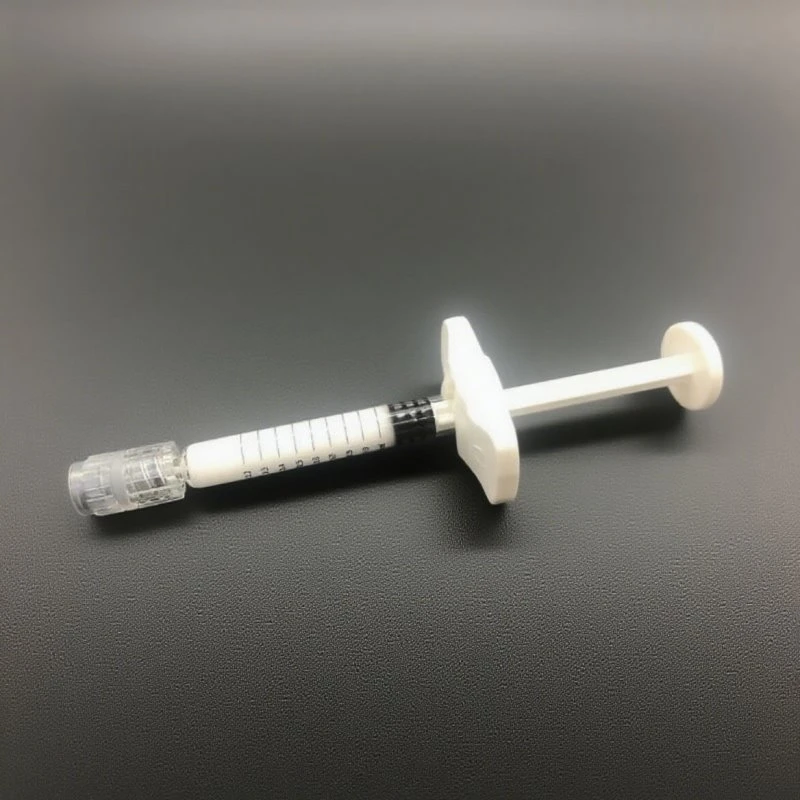
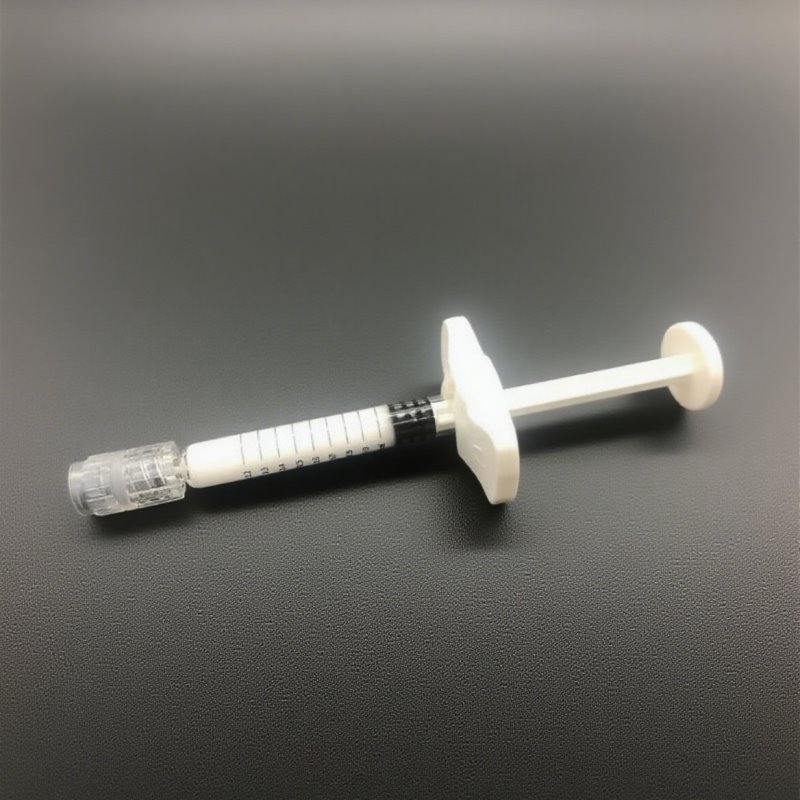
As a supplier of dermal fillers, including Pcl Dermal Filler, we are committed to the safety and well - being of our customers. We do not recommend the use of our products during pregnancy and breastfeeding. We believe in providing clear and accurate information to our customers so that they can make informed decisions about their cosmetic treatments.
We work closely with medical professionals to ensure that our products are used in a safe and appropriate manner. Our team of experts is available to answer any questions that healthcare providers or patients may have regarding the use of our dermal fillers.
Post - Pregnancy and Post - Breastfeeding Considerations
Once a woman has completed her pregnancy and breastfeeding journey, she may be interested in exploring dermal fillers. At this point, it is generally considered safe to undergo dermal filler treatments. However, it's still important to consult with a qualified plastic surgeon or dermatologist.
The skin may have undergone long - term changes during pregnancy and breastfeeding, such as stretch marks or pigmentation issues. A professional can assess the skin's condition and recommend the most suitable type of dermal filler and treatment plan.
Contact Us for More Information
If you are considering dermal fillers after pregnancy and breastfeeding, or if you have any questions about our products, we encourage you to reach out to us. Our team of experts is ready to assist you in making the best decision for your cosmetic needs. We can provide detailed information about our product range, including the benefits and potential side effects of each type of dermal filler. Whether you are a medical professional looking to stock our products or an individual interested in a treatment, we welcome you to contact us for a procurement discussion.
References
- American Society of Plastic Surgeons. Guidelines on cosmetic procedures during pregnancy and lactation.
- Medical literature on dermal fillers and pregnancy/breastfeeding safety.
- Research studies on the physiological changes during pregnancy and breastfeeding.
