


Hey there! As a supplier of Pcl Dermal Filler, I often get asked a bunch of questions. One that pops up quite a bit is, "Can Pcl Dermal Filler be removed if I'm not satisfied?" Well, let's dig into this topic and find out.
First off, let's talk a bit about what Pcl Dermal Filler is. Pcl stands for Polycaprolactone, and Polycaprolactone Dermal Filler is a type of dermal filler that's been gaining popularity in the cosmetic industry. It's used to add volume, smooth out wrinkles, and enhance facial features. Unlike some other fillers, Pcl Dermal Filler works by stimulating the body's natural collagen production. This means that over time, it not only fills in areas but also helps improve the overall quality of the skin.
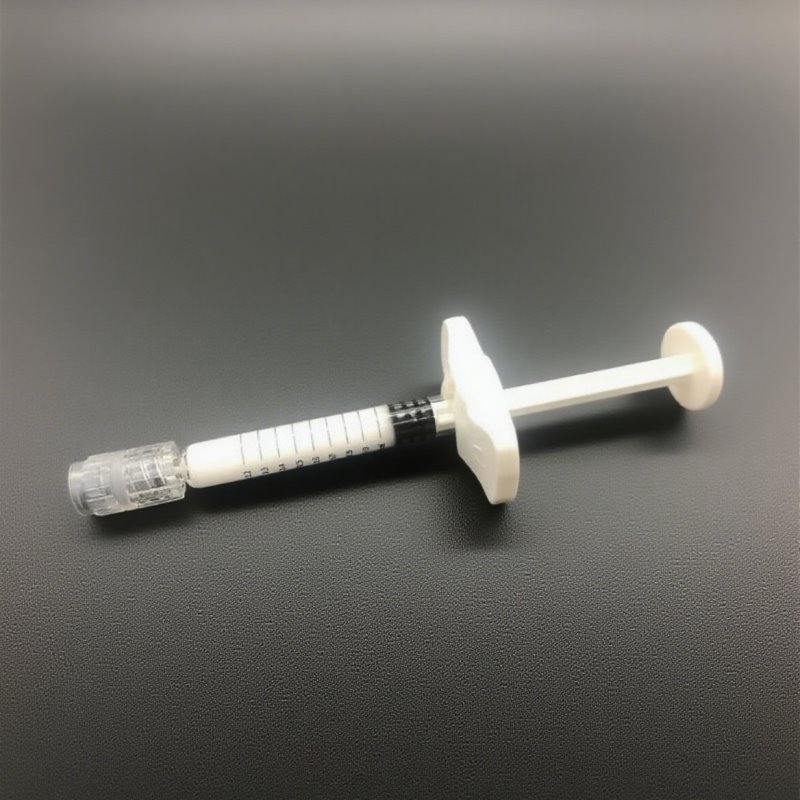
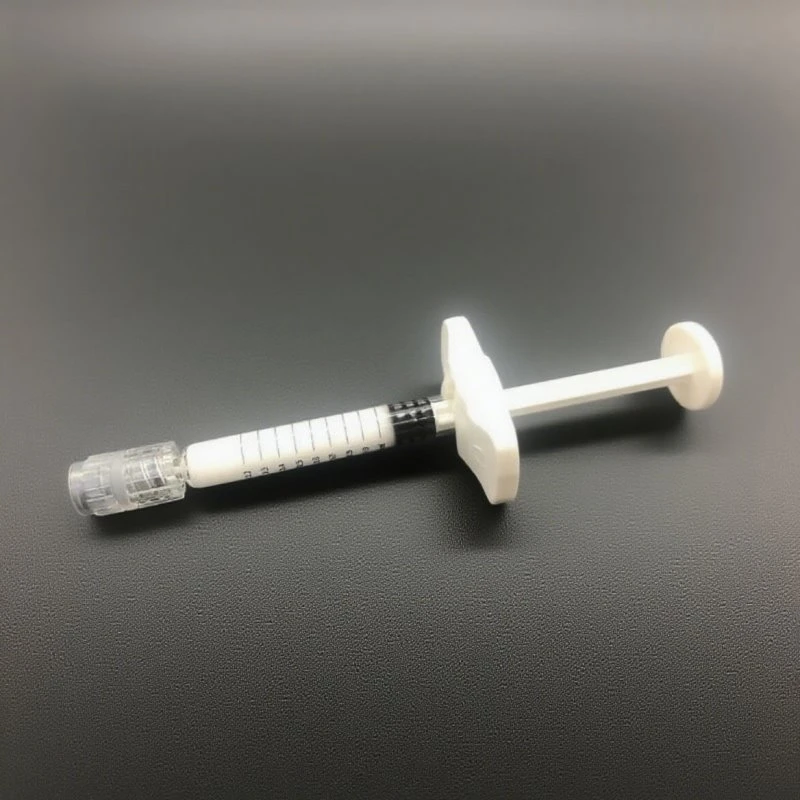
Now, back to the big question: can it be removed? The short answer is yes, but it's not as straightforward as you might think. Unlike hyaluronic acid fillers, which can be quickly dissolved with an enzyme called hyaluronidase, Pcl Dermal Filler doesn't have a specific "dissolver."
There are a few methods that can be used to try and remove or reduce the effects of Pcl Dermal Filler. One option is surgical removal. This is a more invasive approach and is usually considered a last resort. It involves making an incision in the skin and physically removing the filler. However, this method comes with its own risks, such as scarring, infection, and damage to surrounding tissues. So, it's not something that's done lightly.
Another method is using a technique called liposuction. This can be used if the filler has been injected in areas where there's a bit of fatty tissue, like the cheeks or the chin. The idea is to suck out the filler along with some of the surrounding fat. But again, this isn't a perfect solution. It might not remove all of the filler, and there's a risk of uneven results or damage to the skin.
There's also the option of waiting it out. Pcl Dermal Filler is a long-lasting filler, but over time, the body will gradually break it down. The exact time it takes for the filler to be completely absorbed can vary from person to person, but it can take anywhere from a few months to a couple of years. So, if you're not too impatient, you could just let nature take its course.
But why might someone want to remove Pcl Dermal Filler in the first place? There are a few reasons. Sometimes, the results might not be what the patient expected. Maybe the filler was injected in the wrong place, or the amount used was too much or too little. Other times, there could be an adverse reaction, such as an allergic reaction or a granuloma (a small lump under the skin).
As a supplier, I always stress the importance of choosing a qualified and experienced injector. A good injector will take the time to understand your goals, assess your facial anatomy, and use the right amount of filler in the right places. This can significantly reduce the chances of having an unsatisfactory result.
If you do find yourself in a situation where you're not happy with the results of Pcl Dermal Filler, the first thing you should do is talk to your injector. They might be able to offer some solutions or refer you to a specialist who can help.
It's also important to note that the removal process can be costly and time-consuming. So, it's always better to do your research before getting any type of dermal filler. Make sure you understand the risks and benefits, and choose a reputable provider.
In my experience, most people who get Pcl Dermal Filler are happy with the results. It can really make a difference in how they look and feel. But like any cosmetic procedure, there's always a small chance that things might not go as planned.
If you're considering Pcl Dermal Filler, I'd be more than happy to answer any questions you might have. We offer high-quality Pcl Dermal Filler products that are safe and effective. Whether you're a cosmetic surgeon, a dermatologist, or a beauty clinic, we can provide you with the supplies you need.
If you're interested in learning more about our products or would like to start a procurement discussion, don't hesitate to reach out. We're here to help you provide the best possible results for your patients.
References
- Smith, J. (2020). Dermal Fillers: A Comprehensive Guide. Cosmetic Press.
- Johnson, A. (2019). Polycaprolactone Dermal Fillers: Mechanisms and Applications. Journal of Aesthetic Medicine.
