


Hey there! As a supplier of dermal fillers, I've seen a whole lot of interest in how well these little wonders can reduce the appearance of fine lines. So, let's dive right in and chat about it.
First off, what are dermal fillers? They're substances that are injected into the skin to plump it up and smooth out those pesky fine lines. There are different types of dermal fillers out there, each with its own unique properties and benefits.
One of the most common types is hyaluronic acid fillers. Hyaluronic acid is a natural substance that's already found in our skin. It helps to keep our skin hydrated and plump. When injected as a filler, it can quickly reduce the appearance of fine lines by adding volume to the skin. The results are usually immediate, and they can last anywhere from a few months to over a year, depending on the specific product and how your body metabolizes it.
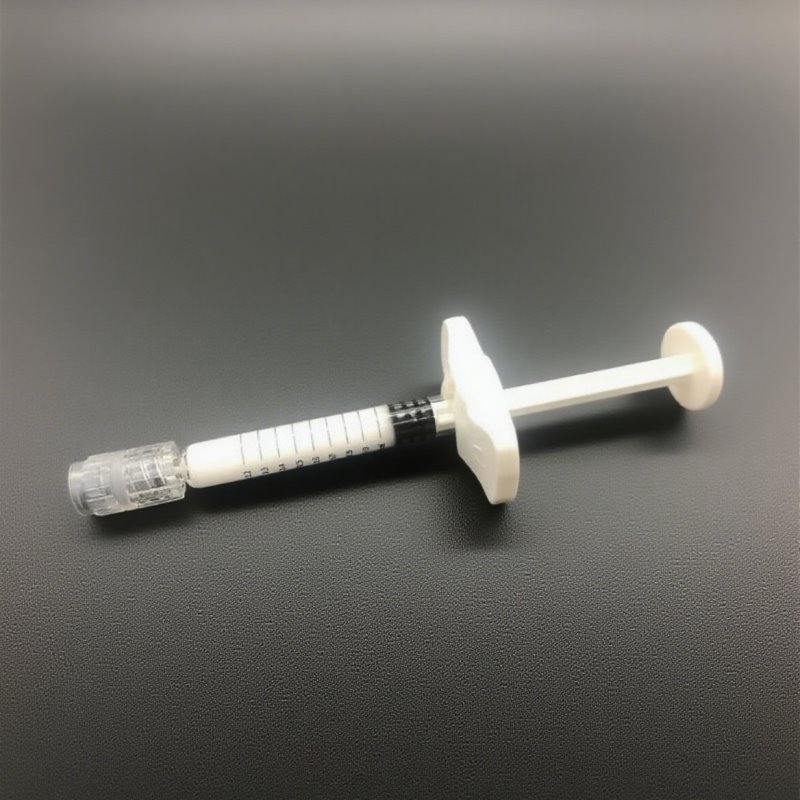
Another type is collagen fillers. Collagen is another protein that's essential for the structure and elasticity of our skin. As we age, our collagen production decreases, which can lead to the formation of fine lines. Collagen fillers can replenish the lost collagen, giving the skin a more youthful appearance. However, collagen fillers may not last as long as hyaluronic acid fillers, and they might also cause more allergic reactions in some people.
Now, let's talk about Polycaprolactone Dermal Filler and Pcl Dermal Filler. These are relatively new types of dermal fillers. Polycaprolactone is a synthetic material that stimulates the body's own collagen production. When injected, it gradually breaks down over time, while at the same time encouraging the skin to produce more collagen. This means that the results can be more long - lasting compared to some other fillers. The initial effect of reducing fine lines is visible, but the real magic happens over time as the new collagen builds up, further improving the skin's texture and reducing the appearance of fine lines.
So, how effective are dermal fillers in reducing the appearance of fine lines? Well, it really depends on a few factors.
The first factor is the type of fine lines. Super - fine, superficial lines may respond better to lighter, more spread - out fillers like some hyaluronic acid formulations. These can just gently plump up the skin and smooth out the surface. Deeper, more etched - in lines might require a more robust filler, like a thicker hyaluronic acid or a polycaprolactone - based filler.
The age and skin condition of the patient also play a role. Younger people with relatively good skin elasticity may see more dramatic and long - lasting results from dermal fillers. Their skin is still more resilient and can better hold the filler in place and respond to the collagen - stimulating effects. Older individuals with more damaged skin may need multiple treatments or a combination of different types of fillers to achieve the desired reduction in fine lines.
The skill of the injector is crucial too. A well - trained injector knows exactly where to place the filler to get the best results. They can assess the patient's face and determine the right amount and type of filler for each area. If the filler is injected incorrectly, it might not reduce the fine lines effectively, or it could even cause lumps or an uneven appearance.
In terms of the long - term effectiveness, dermal fillers are not a permanent solution. As the filler breaks down over time, the fine lines may start to reappear. But with regular maintenance treatments, patients can keep the fine lines at bay. Some people find that after a series of treatments, their skin looks better overall, and they may be able to space out the treatments over a longer period.
Let's look at some real - life examples. I've heard from many customers who were initially skeptical about dermal fillers. One lady in her 40s had these little crow's feet around her eyes that were really bothering her. She decided to try a hyaluronic acid filler. After the treatment, she was amazed at how quickly the lines smoothed out. Her eyes looked brighter and more youthful. She's come back for follow - up treatments every few months, and she's really happy with the long - term improvement in her skin.
Another customer, a man in his 50s, had some deep frown lines between his eyebrows. He opted for a polycaprolactone dermal filler. At first, he noticed a slight improvement, but over the next few months, as his body started producing more collagen, the lines became significantly less noticeable. He was really impressed with how the results just kept getting better.
So, overall, dermal fillers can be highly effective in reducing the appearance of fine lines. They offer a relatively quick and minimally invasive way to improve the look of your skin. But it's important to have realistic expectations and work with a professional to get the best results.
If you're a beauty clinic, a spa, or someone interested in stocking high - quality dermal fillers, we're here to help. We offer a wide range of dermal fillers, including the Polycaprolactone Dermal Filler and Pcl Dermal Filler I've been talking about. We have a team of experts who can guide you on which products are best for your clients. Whether you're looking to start offering dermal filler treatments or you want to upgrade your existing product line, we can provide you with the support and high - quality products you need. Reach out to us if you're interested in learning more or starting a procurement discussion.
References
- "Cosmetic Dermatology: Principles and Practice" by Joel L. Cohen
- "Injectable Fillers: A Comprehensive Guide" by Jean Carruthers and others
