


As a provider of COC-based prefilled syringes, I've spent a great deal of time exploring various factors that can influence the quality of these essential medical devices. One such factor that often goes under the radar but holds significant importance is the effect of light on the quality of COC-based prefilled syringes. In this blog, I'll delve into the science behind this relationship and explain why it matters for both healthcare providers and patients.
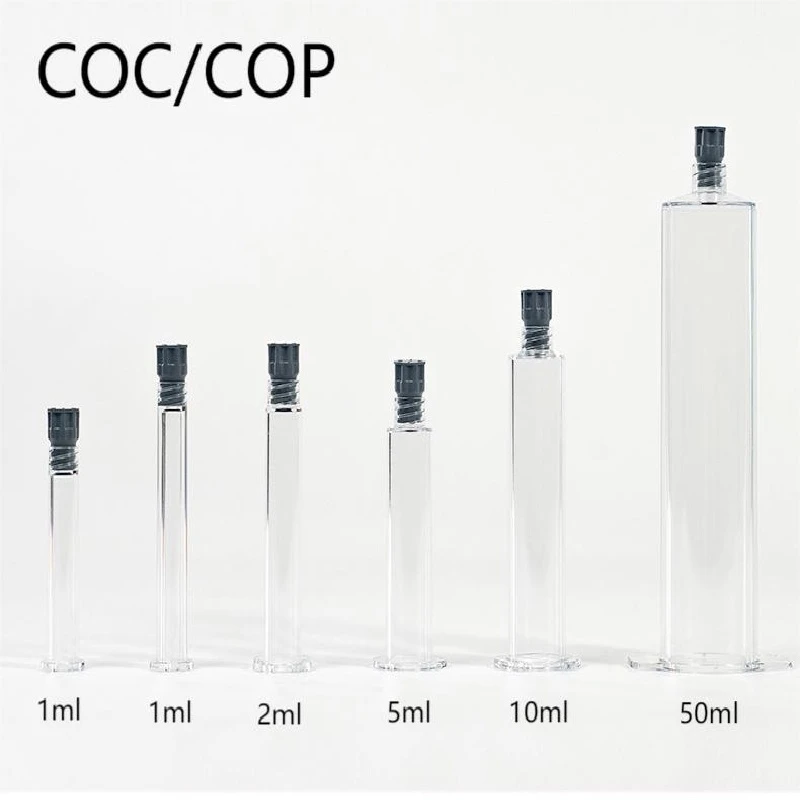
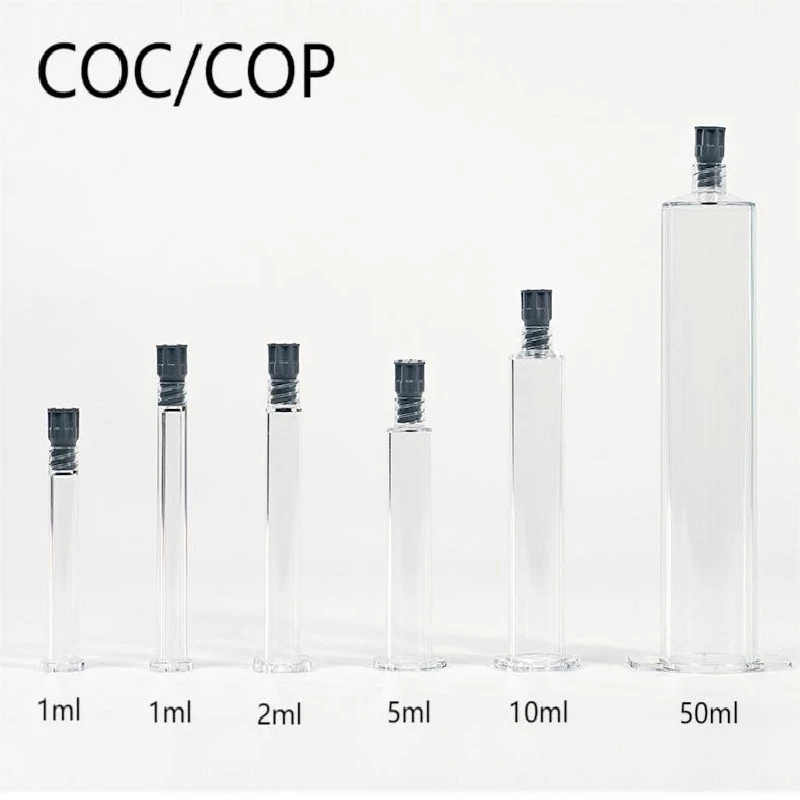
Understanding COC-Based Prefilled Syringes
Before we discuss the impact of light, let's briefly touch on what COC-based prefilled syringes are. Cyclic Olefin Copolymer (COC) is a high-performance polymer known for its excellent clarity, low extractables, and chemical resistance. These properties make COC an ideal material for prefilled syringes, which are widely used in the pharmaceutical industry to deliver drugs accurately and safely.
COC-based prefilled syringes offer several advantages over traditional glass syringes. They are lighter, more durable, and less prone to breakage, reducing the risk of injuries and product loss. Additionally, COC has a lower affinity for drugs, minimizing the risk of drug adsorption and ensuring the integrity of the medication.
The Impact of Light on COC-Based Prefilled Syringes
Light can have a profound impact on the quality of COC-based prefilled syringes in several ways. First and foremost, exposure to light can cause photodegradation of the COC material. Photodegradation occurs when light energy breaks down the chemical bonds in the polymer, leading to changes in its physical and chemical properties. This can result in discoloration, embrittlement, and loss of mechanical strength, ultimately compromising the integrity of the syringe.
In addition to affecting the syringe material itself, light can also have a detrimental effect on the drug inside the syringe. Many drugs are photosensitive, meaning they can undergo chemical reactions when exposed to light. These reactions can lead to the formation of impurities, degradation products, and changes in the drug's potency and stability. For example, exposure to ultraviolet (UV) light can cause the oxidation of certain drugs, resulting in the formation of potentially harmful byproducts.
Furthermore, light can also influence the performance of the syringe's components, such as the plunger and the needle. Over time, exposure to light can cause the rubber components to harden and become less flexible, making it difficult to operate the syringe smoothly. This can affect the accuracy of drug delivery and increase the risk of injection errors.
Mitigating the Effects of Light
To minimize the impact of light on COC-based prefilled syringes, it's essential to take appropriate measures during storage, transportation, and handling. Here are some best practices to consider:
- Use light-resistant packaging: Packaging plays a crucial role in protecting the syringe and its contents from light. Opt for opaque or amber-colored packaging materials that can block out UV and visible light. This can help to reduce the risk of photodegradation and maintain the quality of the drug and the syringe.
- Store syringes in a dark environment: When storing COC-based prefilled syringes, it's important to keep them in a cool, dark place away from direct sunlight and artificial light sources. This can help to slow down the rate of photodegradation and extend the shelf life of the product.
- Limit exposure to light during handling: Minimize the time that the syringe is exposed to light during handling and administration. For example, avoid leaving the syringe out in the open for extended periods and use a syringe shield or cover to protect it from light when necessary.
- Follow proper storage and handling guidelines: Always follow the manufacturer's instructions for storing and handling COC-based prefilled syringes. This includes storing the syringes at the recommended temperature and humidity levels and avoiding exposure to extreme conditions.
The Importance of Quality Control
Given the potential impact of light on the quality of COC-based prefilled syringes, it's essential to implement a comprehensive quality control program to ensure the safety and efficacy of the product. This includes conducting regular testing and inspection of the syringes and their components to detect any signs of photodegradation or other quality issues.
At our company, we are committed to providing high-quality COC-based prefilled syringes that meet the strictest industry standards. We use state-of-the-art manufacturing processes and quality control measures to ensure the integrity of our products. Our syringes are tested for a variety of parameters, including physical and chemical properties, drug compatibility, and sterility, to ensure that they are safe and effective for use.
Conclusion
In conclusion, light can have a significant impact on the quality of COC-based prefilled syringes. Exposure to light can cause photodegradation of the COC material, affect the stability of the drug inside the syringe, and influence the performance of the syringe's components. To mitigate these effects, it's essential to take appropriate measures during storage, transportation, and handling, such as using light-resistant packaging and storing the syringes in a dark environment.
As a leading provider of COC-based prefilled syringes, we understand the importance of quality and safety. That's why we are dedicated to producing high-quality products that meet the needs of our customers. If you're interested in learning more about our COC-based prefilled syringes or have any questions about the impact of light on their quality, please don't hesitate to contact us. We'd be happy to discuss your requirements and provide you with the information you need.
References
- "Cyclic Olefin Copolymers (COC) in Medical Applications." Plastics Technology, 2019.
- "Photostability of Drugs and Drug Products." Pharmaceutical Research, 2017.
- "Best Practices for Storing and Handling Prefilled Syringes." American Journal of Health-System Pharmacy, 2018.
