


When it comes to aesthetic medicine, Pcl Dermal Filler has emerged as a popular choice for both patients and practitioners. As a supplier of Pcl Dermal Filler, I often receive inquiries about various aspects of this product, and one question that frequently comes up is: What is the injection speed for Pcl Dermal Filler? In this blog post, I aim to provide a comprehensive answer to this question, drawing on scientific knowledge and practical experience in the field.
Understanding Pcl Dermal Filler
Before delving into the injection speed, it's essential to understand what Pcl Dermal Filler is. Polycaprolactone Dermal Filler is a type of biocompatible and biodegradable filler that contains polycaprolactone (PCL) microspheres suspended in a gel carrier. PCL is a synthetic polymer that has been used in various medical applications for decades due to its excellent biocompatibility and slow degradation rate.
When injected into the skin, Pcl Dermal Filler provides immediate volume correction by filling in wrinkles, folds, and depressions. Over time, the PCL microspheres stimulate the production of collagen, a protein that gives the skin its structure and elasticity. This collagen stimulation leads to long - lasting results, often lasting up to 12 - 18 months or even longer in some cases.
Factors Affecting Injection Speed
The injection speed of Pcl Dermal Filler is not a one - size - fits - all parameter. Several factors need to be considered when determining the appropriate injection speed, including:
1. Injection Site
Different areas of the face have different tissue densities and sensitivities. For example, the lips are more sensitive and have a thinner skin layer compared to the cheeks. When injecting into the lips, a slower injection speed is generally preferred to minimize discomfort and ensure precise placement of the filler. On the other hand, injecting into the cheeks or jawline, which have thicker tissues, may allow for a slightly faster injection speed.
2. Filler Viscosity
The viscosity of the Pcl Dermal Filler can vary depending on the formulation. Higher - viscosity fillers are thicker and more difficult to inject, so they typically require a slower injection speed. Lower - viscosity fillers, which are more fluid, can be injected at a relatively faster pace. However, it's important to note that even with lower - viscosity fillers, the injection speed should still be controlled to ensure proper distribution.
3. Patient Comfort
Patient comfort is a crucial factor in any aesthetic procedure. A faster injection speed can cause more pain and discomfort, especially in sensitive areas. Practitioners need to balance the need for efficient injection with the patient's comfort level. Communicating with the patient during the procedure and adjusting the injection speed based on their feedback is essential.
4. Desired Aesthetic Outcome
The desired aesthetic outcome also plays a role in determining the injection speed. If a more precise and detailed correction is needed, such as filling in fine lines, a slower injection speed is necessary to ensure accurate placement of the filler. For larger - scale volume enhancements, a slightly faster injection speed may be used, but still with careful control to avoid over - correction.
Recommended Injection Speeds
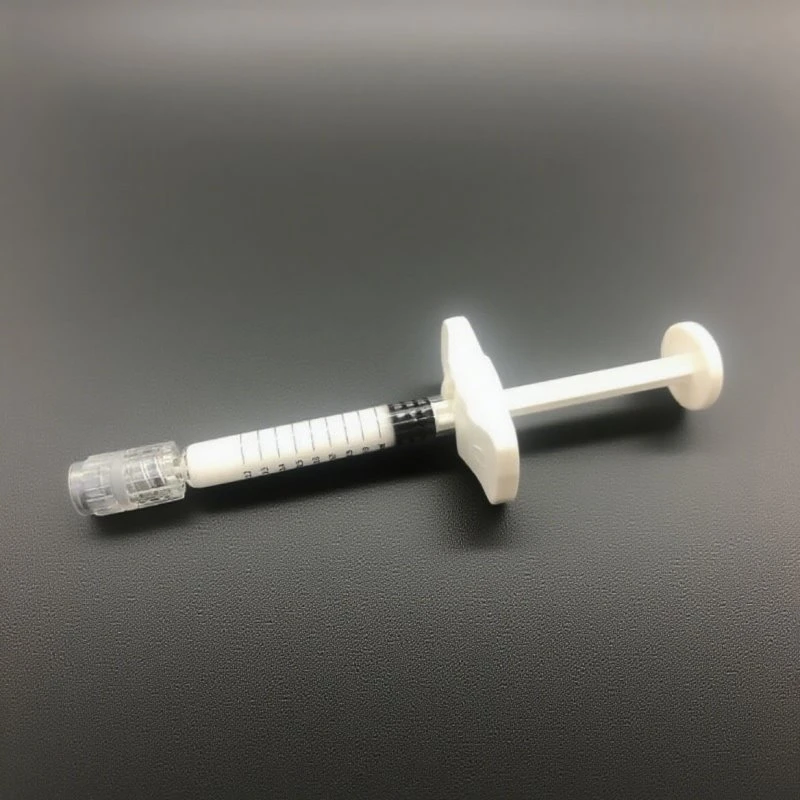
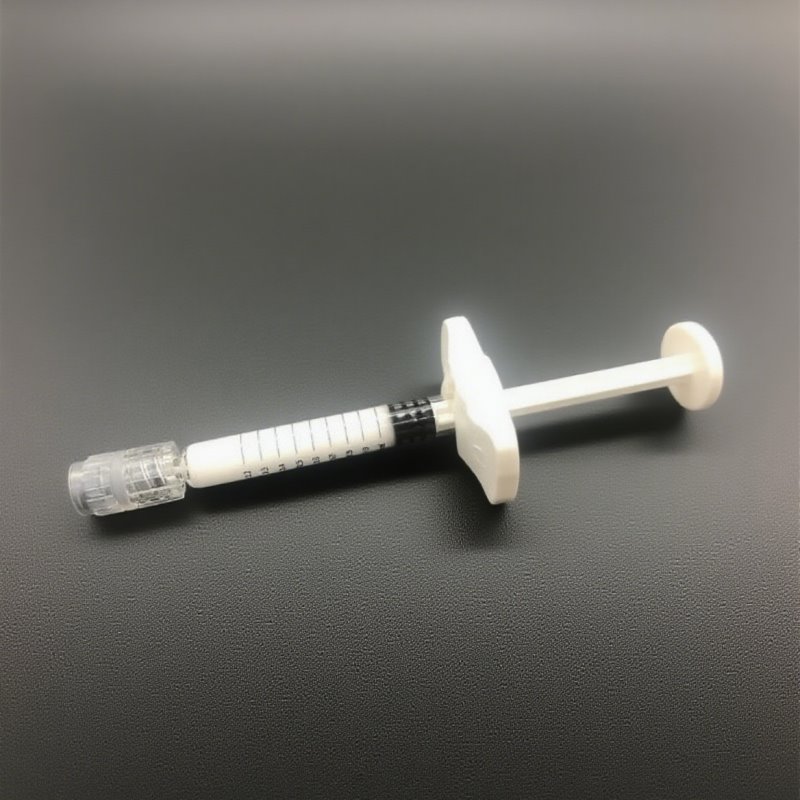
Based on clinical experience and best practices in the field, here are some general guidelines for injection speeds of Pcl Dermal Filler:
1. Lips
For lip injections, a very slow injection speed is recommended, typically around 0.05 - 0.1 ml per second. This slow speed allows for precise shaping of the lips and minimizes the risk of bruising and swelling. It also gives the practitioner time to assess the symmetry and fullness of the lips during the injection process.
2. Nasolabial Folds
The nasolabial folds, which are the lines that run from the sides of the nose to the corners of the mouth, are a common area for filler injection. A moderate injection speed of around 0.1 - 0.2 ml per second is usually appropriate. This speed allows for efficient filling of the folds while maintaining control over the distribution of the filler.
3. Cheeks
When injecting into the cheeks for volume enhancement, a slightly faster injection speed can be used, in the range of 0.2 - 0.3 ml per second. However, it's important to inject in multiple small aliquots and massage the area gently to ensure even distribution of the filler.
4. Jawline
For jawline contouring, an injection speed similar to that of the cheeks can be used, around 0.2 - 0.3 ml per second. The practitioner should pay close attention to the overall symmetry and shape of the jawline during the injection process.
Importance of Proper Injection Technique
In addition to the injection speed, proper injection technique is crucial for achieving optimal results with Pcl Dermal Filler. Here are some key points to keep in mind:
1. Needle or Cannula Selection
The choice between a needle and a cannula depends on the injection site and the practitioner's preference. Needles are more precise for targeting specific areas, while cannulas are less invasive and can cover a larger area with fewer punctures. Regardless of the choice, the needle or cannula should be inserted smoothly and at the appropriate depth.
2. Aspiration
Before injecting the filler, it's important to aspirate to ensure that the needle or cannula is not in a blood vessel. Aspiration involves pulling back on the syringe plunger to check for blood. If blood is aspirated, the needle or cannula should be repositioned to avoid the risk of vascular occlusion, which can lead to serious complications.
3. Massage and Blending
After injecting the filler, gentle massage and blending of the treated area are necessary to ensure even distribution of the filler and to integrate it with the surrounding tissues. This helps to achieve a natural - looking result.
Training and Certification
Proper training and certification are essential for practitioners performing Pcl Dermal Filler injections. As a supplier, we recommend that practitioners undergo comprehensive training programs that cover not only the injection technique but also the anatomy of the face, potential complications, and patient management. This training ensures that practitioners are well - equipped to handle different injection scenarios and provide safe and effective treatments.
Conclusion
In conclusion, the injection speed of Pcl Dermal Filler is a complex parameter that depends on multiple factors, including the injection site, filler viscosity, patient comfort, and desired aesthetic outcome. By following the recommended injection speeds and proper injection techniques, practitioners can achieve optimal results with minimal complications.
As a trusted supplier of Pcl Dermal Filler, we are committed to providing high - quality products and supporting practitioners with the knowledge and resources they need. If you are interested in purchasing our Pcl Dermal Filler or have any questions about its use, please feel free to contact us for further discussion and procurement negotiation. We look forward to working with you to meet your aesthetic medicine needs.
References
- Carruthers A, Fagien S, Alam M, et al. World Federation of Dermatological Societies (WFDS) global consensus on the use of injectable fillers. J Eur Acad Dermatol Venereol. 2020;34(3):437 - 450.
- Rohrich RJ, Sinno S, Dayan SH. Dermal fillers: current state of the art. Plast Reconstr Surg. 2015;135(2):363 - 376.
- Narins RS, Beer K, Coleman SR, et al. Soft - tissue augmentation: current state of the art. Plast Reconstr Surg. 2009;124(6 Suppl):5S - 14S.
